
Mineral Processing Reagents

-
 E-mail
xhcnlite@xinhaimining.com
E-mail
xhcnlite@xinhaimining.com
-
 Call Us
008613683147042
Call Us
008613683147042
E-mail
xhcnlite@xinhaimining.com
Call Us
008613683147042
2026-06-29 Views: 665
Warm Tip: If you want to know more information, like quotation, products, solutions, etc., please Click here ,and contact us online.
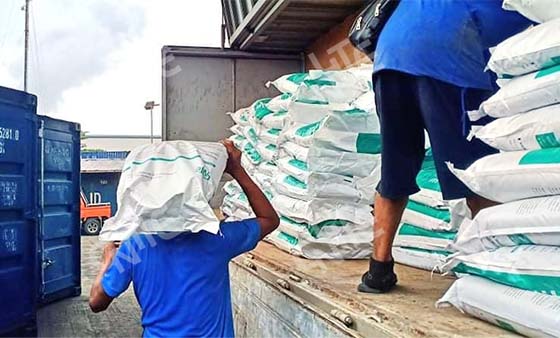
Running a gold plant is a big guessing game. You look at your gold mine and see brown dirt with shiny metal inside. But how much cash will you spend to wash it out? The biggest waste in a gold processing plant happens in the chemical tank. Many owners just look at the bag price. That is a huge error. The real cost depends on how hungry your rock is. Some rocks are easy. Others are greedy and swallow chemicals fast. If the math is wrong, you lose profits. To extract gold and stay rich, you must know your budget.
Let us do the math. It is quite simple.
Imagine your gold processing plant handles 500 tons of rock daily. If your lab says the rock needs 200 grams of gold leaching reagent per ton, multiply them. 500 tons times 200 grams is 100,000 grams. You need 100 kilograms of powder daily. If the powder costs $3 per kilo, your daily cost is $300. But watch out! Bad water from a local pit can destroy your chemicals. You might need extra lime to keep it right.
Gold lives with copper, sulfur, and iron. When you pour your gold leaching chemical into the mud tank, it bumps into everything. Bad minerals steal your chemical away from the gold. We call them greedy guests. They eat the food before the main guest arrives. This is why a bottle test is necessary before you buy bulk bags. I saw a guy skip this test once. He ruined his whole week's budget. It was sad.
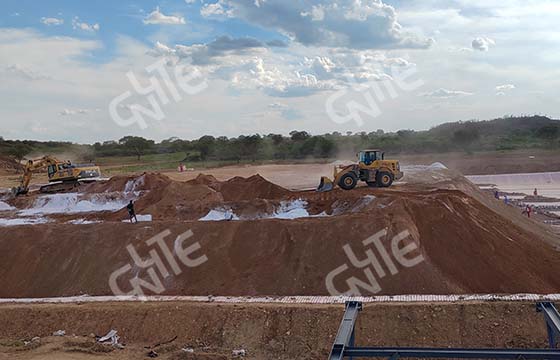
Let us see how the cost changes across nine common rocks.
Type 1: Clean Quartz Ore. Dream rock. No bad minerals. Use is low, 100 to 150 grams per ton.
Type 2: Weathered Oxide Ore. Red backyard dirt. Use is 150 to 200 grams per ton.
Type 3: Placer Gold Sand. Loose river sand. Skip crushers. Reagent cost is very low here.
Type 4: Pyrite Ore. Has fool's gold. Use goes past 500 grams per ton unless you grind it ultra fine.
Type 5: Arsenopyrite Ore. Has arsenic. Cost is high because arsenic messes up the liquid.
Type 6: High Copper Ore. Disaster. Copper dissolves like gold. Uses 3 to 4 times more chemical. Clean copper first!
Type 7: Lead-Zinc Ore. Slows speed. Stir for 48 hours instead of 24, driving up bills.
Type 8: Telluride Ore. Needs expensive helper chemicals to break bonds.
Type 9: Carbonaceous Ore. Black mud steals gold back from water. Most expensive type.
How to lower cost for low-grade tailings? Wash trash out first. Treat only fine sand to lower your daily chemical consumption.
Does a green reagent cut operation cost? Yes. It saves money on safety gear and water filters.
Why does use double in winter? Cold water slows reactions. Snails move faster! You need more powder.
How to test the cost of a new gold leaching chemical? Do a 24-hour bottle test in a lab with your mine water.
Stop guessing costs. Contact us today to get customized services. Send your rock sample, and our lab will find the exact recipe to extract gold cheaply!
 008613683147042
 xhcnlite@xinhaimining.com
No. 188, Xinhai Street, high-tech Industrial Park, Fushan District, Yantai, Shandong, China.
Please leave your message here! We will send detail technical info and quotation to you!

 Home
Home Online Service