
Mineral Processing Reagents

-
 E-mail
xhcnlite@xinhaimining.com
E-mail
xhcnlite@xinhaimining.com
-
 Call Us
008613683147042
Call Us
008613683147042
E-mail
xhcnlite@xinhaimining.com
Call Us
008613683147042
2026-07-31 Views: 332
Warm Tip: If you want to know more information, like quotation, products, solutions, etc., please Click here ,and contact us online.
| Chemical Type | Main Job | Common Examples |
| Gold Leaching Reagent | Dissolves solid gold into liquid | Sodium Cyanide, Cnlite Eco-friendly Reagent |
| pH Modifier | Keeps the water safe and basic | Hydrated Lime, Caustic Soda |
| Adsorbent | Catches the dissolved gold | Coconut Shell Activated Carbon |
In real plant operation across Africa, workers often blame the gold chemical when extraction drops. Usually, the real problem is bad water quality. Salty or dirty water eats up the reagent before it can even touch the gold. Always test your local water source first.
The pH modifiers keep your gold chemical stable and your workers alive. If the water gets too acidic, standard cyanide breaks down into a deadly gas. You add lime (calcium oxide) or sodium hydroxide to push the pH level above 10.5. This keeps the gold reagent locked safely in the water so it can do its actual job. Lime is cheap and works well for most dirt types. Caustic soda costs a bit more but causes fewer messy scale problems in your pipes. Without proper pH control, your gold processing plant will lose money and risk safety.
| Modifier | Cost | Pros | Cons |
| Lime (CaO) | Very Low | Cheap, easy to get | Plugs up pipes with hard scale |
| Caustic Soda (NaOH) | Higher | Keeps pipes clean, mixes fast | Costs more upfront |
Plant operators often add lime directly into the main mixing tank at the last second. This is a huge error. The lime needs time to mix and raise the pH before the gold reagent goes in. If you rush it, you destroy the expensive chemical.
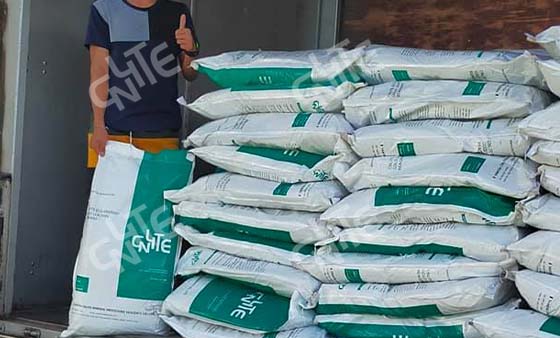
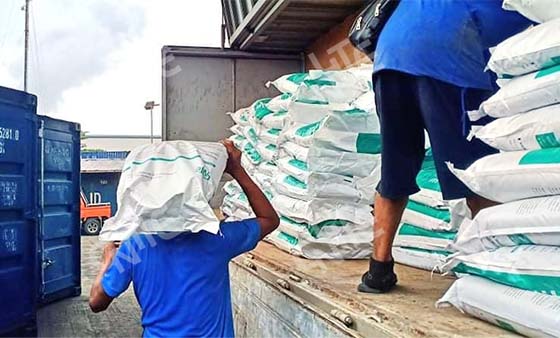
Standard sodium cyanide acts fast and costs little up front, but it brings massive headaches. It is highly toxic, requires huge safety paperwork, and costs a fortune to clean up later. An eco-friendly gold leaching reagent does the exact same job without the lethal risks. These green chemicals drop your transport costs and let you skip heavy environmental fines. They drop right into regular CIL tanks and heap leach pads without new gear. For many mine owners, switching to a green gold chemical actually saves serious money because it completely cuts out waste treatment costs.
| Reagent Option | Upfront Price | Transport Trouble | Waste Cleanup Cost | Overall Safety |
| Sodium Cyanide | Low | Extreme | Very High | Dangerous |
| Eco-Friendly Reagent | Moderate | Very Low | Almost Zero | Very Safe |
Under Australian operating conditions, strict local laws make cyanide almost impossible to permit for smaller sites. Choosing an eco-friendly gold leach chemical from a brand like Cnlite speeds up your legal permits by months.
Once the gold reagent melts the metal into the water, you have to catch it back. That is where activated carbon steps in. Hard coconut shell carbon acts just like a chemical sponge. You drop it right into the muddy liquid. The dissolved gold sticks tightly to the tiny holes inside the carbon pieces. This carbon must be very hard. If the carbon is soft, the mixing blades break it into dust. That dust floats away with your gold attached right to it, costing you thousands of dollars in lost metal.
| Carbon Type | Hardness | Best Use | Risk Level |
| Coconut Shell | Very High (98%+) | CIL and CIP tanks | Low loss |
| Coal Based | Medium | Water cleaning | High gold loss |
| Wood Based | Low | Chemical spills | Do not use for gold |
During commissioning, always pre-wash your carbon before dumping it into the gold tanks. New carbon comes with fine ash on it. If you do not wash it off first, that ash will grab your gold and flow right out to the waste pond.
You figure out your gold reagent costs by testing your exact dirt first. Every rock acts differently. You test how many grams of chemical it takes to treat one single ton of rock. You multiply that dose by your daily rock ton target. Then you multiply that by the chemical price. Do not just look at the cheap upfront price tag. A cheap gold chemical that takes twice as much powder to work is actually way more expensive. You must measure the final true cost per ounce of gold you pour.
To find your true cost, follow this math:
Dose rate: 1.5 kg of reagent per ton of rock.
Plant size: 500 tons per day.
Daily use: 1.5 × 500 = 750 kg of chemical per day.
Insight: If a cheaper chemical requires a 3.0 kg dose, you end up buying and shipping twice as much weight, losing any price advantage.
When treating high-clay ores, the dirt acts like a sponge and eats up extra chemical. Always add a 20% buffer to your chemical budget when working with sticky, muddy rock types.
The best choice depends on your local laws. Sodium cyanide is the old standard. However, an eco-friendly gold leaching reagent is now the smartest choice. It dissolves gold just as well but skips the toxic risks and high cleanup costs.
No, you should never use bleach on a large scale. While chlorine can dissolve gold, the process creates deadly gas clouds. It is highly corrosive, destroys your expensive steel tanks, and is too hard to control in a real gold plant.
It changes based on your rock. Clean rocks might only need 0.5 kg of reagent per ton. Rusty or dirty rocks might need 2.0 kg per ton. You must run a bottle roll test in a lab to find your exact number.
Yes. You do not need to change your tanks or pumps. You use the exact same CIP or CIL setup. You just swap the toxic cyanide bags for the green reagent bags and adjust your pH levels slightly.
 008613683147042
 xhcnlite@xinhaimining.com
No. 188, Xinhai Street, high-tech Industrial Park, Fushan District, Yantai, Shandong, China.
Please leave your message here! We will send detail technical info and quotation to you!

 Home
Home Online Service