
Mineral Processing Reagents

-
 E-mail
xhcnlite@xinhaimining.com
E-mail
xhcnlite@xinhaimining.com
-
 Call Us
008613683147042
Call Us
008613683147042
E-mail
xhcnlite@xinhaimining.com
Call Us
008613683147042
 Home
Guides
Helpful Guide
The Ultimate Guide to Designing and Optimizing a Complete Gold Milling Plant
Home
Guides
Helpful Guide
The Ultimate Guide to Designing and Optimizing a Complete Gold Milling Plant
2026-09-23 Views: 3
Warm Tip: If you want to know more information, like quotation, products, solutions, etc., please Click here ,and contact us online.
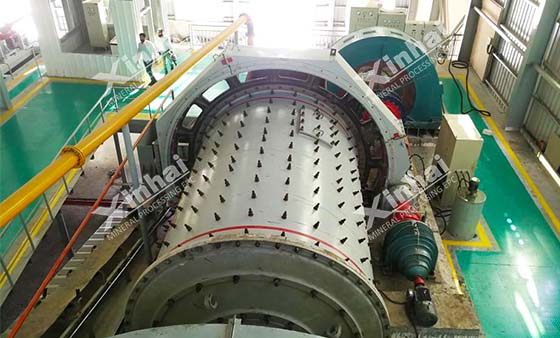
Think of a complete gold milling plant as a huge, busy factory. It grabs rough, dirty rocks straight from the gold mine. Then, it slowly pulls out the pure gold. It is not just one big machine sitting in a field. Honestly, it is more like a living system. Every part works together in a long line. The raw dirt goes in one end, and a shiny, melted gold bar comes out the other side. Everything must fit together perfectly. The big rock crushers need to match the exact type of dirt you have. If they do not match, you lose money and time. I once saw a plant stop for three days because their crushers couldn't handle sticky clay. That mistake cost them a fortune.
A long time ago, getting gold was sweaty, hard work. People used simple water pans and basic gravity tricks. Those old ways missed a lot of gold, leaving behind piles of dirty rock. But things changed a lot. Today's processing plant is super smart and uses computers to run almost everything. Modern setups handle thousands of tons of dirt every single day. For example, a standard plant easily chews through 1,000 tons of rock in 24 hours. This gets us way more gold and keeps workers much safer. You don't see guys carrying heavy rocks by hand anymore.
So, how does a gold processing plant actually work? You have to break the big rocks down first. Then, you separate the good stuff from the bad rock.
The core steps are actually pretty simple when you break them down:
Crushing and Grinding: Smashing big rocks into tiny, wet sand.
Concentration and Separation: Using weight or bubbles to catch the gold bits.
Chemical Extraction: Melting the hidden gold into a liquid using safe chemicals.
Getting the rock size right is a big deal. We call this the "liberation size." If your rocks are too chunky, the gold stays trapped inside. You will just throw it away. But if you grind it too fine like flour, you waste tons of electricity. I have seen plants blow thousands of dollars a week just from over-grinding! Big jaw crushers take the first bite, smashing the blasted rocks. Next, the rocks fall into huge spinning drums. These are called SAG mills and ball mills. Heavy steel balls roll around inside these drums. They smash the rocks into a wet, muddy soup. This wet soup is now ready for the chemicals.
Now the rocks are basically mud. The processing plant moves this mud to the next step. Depending on what kind of rock it is, plants pick from three main tricks to get the gold out:
Gravity Separation: This is like a giant washing machine spinning super fast. Gold is heavy. So, the heavy gold drops to the bottom and gets caught.
Flotation: Here, they add special bubbly soap to the muddy mix. The gold sticks to the bubbles. The bubbles float to the top, and they just scrape the gold off. It looks kind of like dirty bubble bath, to be honest.
Leaching: The leftover mud still hides tiny, invisible gold bits. So, they soak it in chemicals. The gold melts right into the water. Then they catch the gold water using carbon bits.
For years and years, plants mostly used a chemical called sodium cyanide. It works great, but it is super toxic. It is very bad for nature. Now, rules are getting very strict. People care about the earth a lot more today. Because of this, mine owners are rushing to change their ways. They are swapping out the dangerous cyanide for eco-friendly leaching chemicals. These new safe chemicals work just as fast. Sometimes they even work better! Plus, it is way easier to get local permits when you don't use poison. You protect the rivers and the local towns. It just makes good business sense.
Building a modern gold mine means balancing two big things. You want to get all the gold, but you also cannot ruin the land. It takes serious planning.
Table: Old School vs. Modern Gold Processing
| What We Look At | Old School Processing Plant | Modern Smart Plant |
| Chemicals Used | Sodium Cyanide (Very Bad) | Safe Eco-Friendly Chemicals |
| How We Control It | Guys with Clipboards | Smart Computers & Sensors |
| Waste Dirt | Scary Liquid Lakes | Safe Dry-Stack Dirt |
| Nature Risk | Very High | Very Low |
| Building Permits | Hard to Get | Much Easier |
Today's gold mine is packed with smart tech. Processing plants do not just guess anymore. They use sensors inside the big pipes. They use computers to watch the mud's thickness and acid levels. The computers can add chemicals automatically. This stops silly human mistakes. A guy with a clipboard cannot watch the pipes 24/7, right? The computer never sleeps. It saves expensive chemicals. It uses less power. Best of all, it grabs more gold because it fixes little problems instantly.
Taking care of the waste is just as important as finding the gold. The leftover dirt is called "tailings." Modern plants do not just dump dirty water into big lakes anymore. Those old liquid dams were scary and risky. Now, a good plant cleans the water and uses it again. They dry out the leftover dirt. They stack it up safely like dry sand. This is called dry-stack tailings. Doing this builds tons of trust with big buyers and the government. Nobody wants a dirty mine in their backyard.
It takes about 6 to 18 months to build a complete plant. It really depends on what you want. If you buy small, ready-to-go pieces that snap together, it is fast. But if you pour a lot of concrete and build a giant custom factory from scratch, you will wait much longer. Planning takes time.
It all depends on your rocks. But usually, the best way is a mix of two things. First, you catch the big gold pieces with simple gravity tools. Then, you use safe, eco-friendly chemicals to soak up the tiny pieces left behind. This gets you the most gold while keeping the earth very clean.
"Grade" just means how rich the rock is. If the rock is poor (low-grade), you have to smash a crazy amount of it to make any money. You need giant machines and great chemicals to handle thousands of tons. If the rock is rich (high-grade), you can often use smaller machines and save money upfront.
Yes, absolutely! Many modern places use safe leaching chemicals instead of dangerous sodium cyanide. These green chemicals do an amazing job. They melt the gold out fast, keep the workers totally safe, and pass all the strict earth rules. We see this change happening everywhere now.
Setting up a great, safe complete gold milling plant takes hard work. You need solid machines and the right safe chemicals to make it run right. Maybe you want to fix up an old gold mine. Or maybe you are building a brand new processing plant from nothing. We can definitely help you out. Building these things is tough, but having a good partner makes it simple. Contact us today. You can also check out Cnlite's great product list. We can start giving you custom help that perfectly matches your exact rocks right away. Let's build something great together.
 008613683147042
 xhcnlite@xinhaimining.com
No. 188, Xinhai Street, high-tech Industrial Park, Fushan District, Yantai, Shandong, China.
Please leave your message here! We will send detail technical info and quotation to you!

 Online Service