
Mineral Processing Reagents

-
 E-mail
xhcnlite@xinhaimining.com
E-mail
xhcnlite@xinhaimining.com
-
 Call Us
008613683147042
Call Us
008613683147042
E-mail
xhcnlite@xinhaimining.com
Call Us
008613683147042
2026-07-31 Views: 261
Warm Tip: If you want to know more information, like quotation, products, solutions, etc., please Click here ,and contact us online.
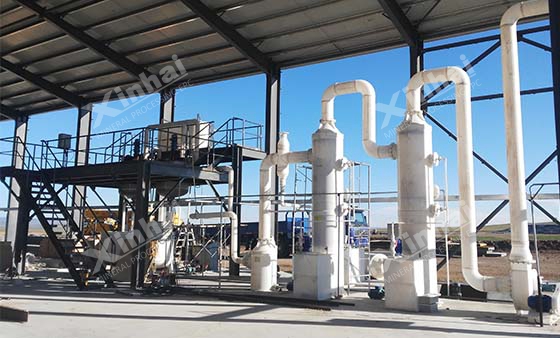
Gold electrowinning (EW) is the very last step in CIP and CIL setups. It uses electric power to pull melted gold out of a rich liquid and onto a steel wool pad. In the past, people used zinc to do this. But the electrical way is just better. It grabs more gold and keeps workers away from nasty chemicals. Plus, you get a gold mud that is ready to melt right away. Today, any modern gold mine counts on this trick to make money from both rich and poor dirt. It cuts down melting time later on. It also helps a gold plant get the most out of its rocks.
| Feature | Electrowinning | Zinc Precipitation (Merrill-Crowe) |
| Purity of Yield | Really high (fewer junk metals) | Okay (needs acid washing) |
| Operational Cost | Cheaper (uses fewer chemicals) | Pricey (needs zinc dust and lead nitrate) |
| Space Requirement | Takes up little room | Needs a massive area |
| Best Suited For | Rich liquid from CIP/CIL | Mixes with lots of silver |
I've spent time on site in Africa, and switching from zinc to the electrical method usually cuts melting time by a solid 30%. Honestly, getting rid of that zinc dust is a lifesaver. It keeps the crew safer and makes the environmental paperwork way easier to handle.
The whole thing works through a direct electrical reaction inside a special box. The liquid carrying the gold acts as the main juice. A stainless steel net works as the positive side. The steel wool acts as the negative side. When you turn on the DC power, water breaks apart at the steel net and makes oxygen bubbles. At the exact same time, the gold bits drop out and stick tightly to the steel wool. This loop just keeps going until the gold left in the water drops below your target number.
The process needs specific chemical changes pushed by electric power:
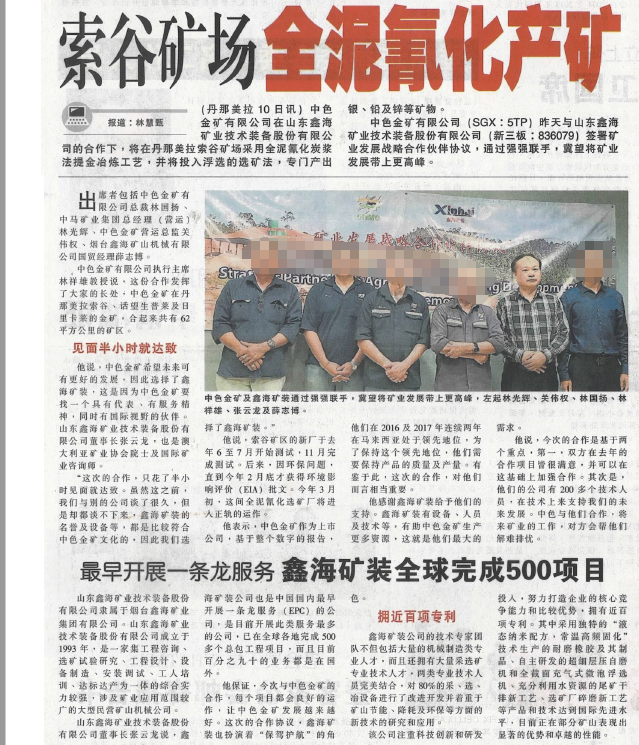
Guys in the field often notice that if the liquid doesn't spread out right, you get "dead zones" in the box. You really need a steady, even flow pushing up from the bottom. Keeping the pipes clean stops these dead spots. It makes sure every inch of the steel wool is used and stops nasty short circuits between the plates.
If you want to extract gold like a pro, you have to watch your numbers closely. Keep an eye on voltage, power density, heat, and pH levels. Keeping the heat above 85°C helps the electricity flow better and speeds things up. The pH has to stay super high (above 12.5). If it drops, you might make deadly hydrogen cyanide gas, and nobody wants that. The power level sets how fast the gold sticks. But if you crank it too high, it makes hydrogen bubbles on the wool. These bubbles will literally rip the gold right back off and ruin the steel wool.
| Parameter | Target Range | Consequence of Deviation |
| Voltage | 2.5V - 3.5V | Over 3.5V pulls in copper; under 2.5V stops the work. |
| Temperature | 85°C - 95°C | Under 80°C makes the whole thing run way too slow. |
| pH Level | 12.5 - 13.0 | Under 12.0 can make deadly HCN gas. |
| Flow Rate | 2 - 3 bed volumes/hr | Too fast will tear up the steel wool. |
Plant workers often try to rush the extraction of gold by bumping the voltage past 3.5V. This is a classic rookie mistake. It wastes your power bill and eats up the stainless steel plates. It also ruins the steel wool way too fast. Worse, it forces junk metals like copper out of the liquid. That completely trashes the purity of your final gold bar.
The chemicals in your liquid completely decide how well your cell works. Old-school methods use standard cyanide. That needs crazy strict pH control to keep the gold stable. But, if you use an eco-friendly gold leaching reagent, it changes how the liquid carries power. These green chemicals might force you to tweak your power settings and hold times a bit. However, they save a fortune on green taxes. Plus, they keep your workers way safer during the final gold plant steps.
| Reagent Type | Conductivity | Deposition Rate | Environmental Cost |
| Standard Sodium Cyanide | High | Fast | High (strict rules/cleanup) |
| Eco-Friendly Gold Leaching Reagent | Medium to High | Medium to Fast | Low (easy dirt cleanup) |
When dealing with sticky clay dirt or rusty rocks in Australia, using eco-friendly chemicals from brands like Cnlite is a smart move. It really calms down the washing loop. This calmness stops sticky slime from coating your pads. That slime is a nightmare in normal cyanide setups. Keeping things clean gives you a much smoother electrical flow.
If you aren't getting enough gold out, it usually comes down to three things. The steel wool got rusty, the wires are loose, or there's dirt floating in the liquid. Junk metals like copper can cover the wool. This blocks the gold from sticking. Also, if tiny bits of carbon or sand sneak past the filters into the box, they cover the wool like a blanket. You absolutely must clean the cell and use good filters to keep your catch rate above 99%.
| Symptom | Root Cause | Corrective Action |
| Voltage drop across cell | Loose wires or bad touching parts. | Clean the spots. Fix touching plates. |
| Black coating on steel wool | Copper or bad metals sticking. | Turn down voltage. Drain some bad liquid. |
| Sludge in cell bottom | Tiny carbon bits got past filters. | Check and swap the liquid filters. |
| No gold plating | Rusty steel wool. | Keep liquid flowing. Don't let it dry out. |
When starting up a new gold processing plant, loose power bars are always the number one reason for voltage drops. I always tell my guys to grab a heat camera every week. Use it to find hot spots on the metal bars. This lets your fix-it team tighten things up before you lose money.
These runs normally take 24 to 72 hours. The exact time depends on how much liquid you have, how much gold is in it, and your power settings. The guys stop the run when the gold left in the liquid hits below 0.5 ppm.
Steel wool (usually size 0 or 00) has a massive amount of surface space. This is a big deal when you need to catch tiny bits of gold. It is also super cheap and carries power well. Plus, it burns up easily later in the furnace, leaving your gold nice and clean.
Electrowinning of Gold pulls melted gold out of a wet liquid onto a pad. Electrorefining is a second step. It cleans up a solid, dirty gold bar by melting it into an acid bath. Then it puts 99.99% pure gold onto a brand new pad.
Yes, copper often sticks to the wool too. This usually happens if you turn the voltage up way too high. Or maybe you just have too much copper in the dirty liquid. You really don't want this because it makes your final gold bar dirty. You must control the voltage perfectly to catch gold but leave the copper behind.
 008613683147042
 xhcnlite@xinhaimining.com
No. 188, Xinhai Street, high-tech Industrial Park, Fushan District, Yantai, Shandong, China.
Please leave your message here! We will send detail technical info and quotation to you!

 Home
Home Online Service