
Mineral Processing Reagents

-
 E-mail
xhcnlite@xinhaimining.com
-
 Call Us
008613683147042
E-mail
xhcnlite@xinhaimining.com
Call Us
008613683147042
 Home
Guides
Helpful Guide
Gold Leaching Reagent Consumption and Cost per Ton of Ore: How to Calculate and Reduce Costs
2026-10-30 Views: 5
Warm Tip: If you want to know more information, like quotation, products, solutions, etc., please Click here ,and contact us online.
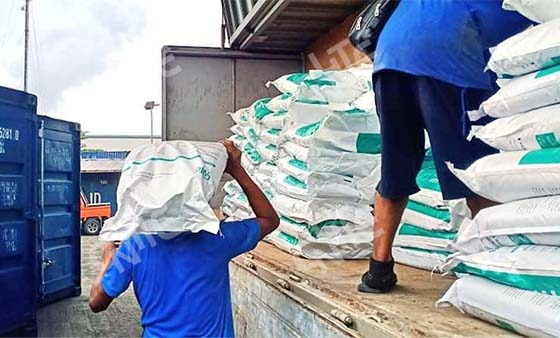
There is no single dosage that suits every gold mine. The amount used at one plant may not work at another, even if their gold grades look quite similar on paper.
Take two gold processing plants as an example. One treats oxide ore, while the other works with ore containing copper and sulfur minerals. Both want to extract gold, but the second plant may face a higher demand for leaching chemicals. Some minerals react with the reagent before it can take part in gold dissolution.
According to the existing CNLITE product guidance, the reference dosage of CNLITE gold leaching reagent is 0.5–1.0 kg per ton of ore. This figure is useful when starting a technical discussion. It is not a promise that every mine will get the same consumption in actual production.
The ore should be tested first. A bottle roll test can help the technical team see how the reagent behaves under selected conditions. Results should then be considered alongside the plant's actual operating records.
Here are some points worth checking:
Ore mineral composition: Copper-bearing minerals, reactive sulfur and other associated minerals may use up part of the reagent.
Gold grade and liberation: Gold locked inside other minerals may be difficult to reach. Grinding conditions therefore matter.
Slurry pH: A pH outside the required operating range may affect reagent performance.
Grinding fineness: If the ore is too coarse, gold extraction may suffer. Very fine grinding, on the other hand, can add unnecessary costs.
Leaching time and oxygen: The reaction needs suitable conditions. Poor oxygen supply or insufficient contact time may affect the result.
Water recycling: Recycled water can carry dissolved metals and other impurities back into the circuit. These may change the chemical demand.
One thing operators sometimes overlook is the relationship between reagent use and gold loss. Cutting chemical addition may make the daily consumption report look better. But if more gold ends up in the tailings, the saving may not be a real saving at all.
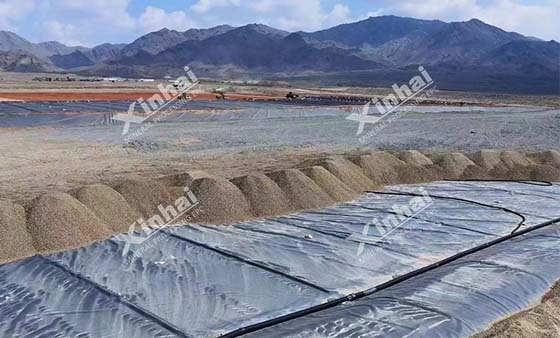
The calculation does not need complicated software. The plant only needs two basic figures: actual reagent consumption and the price paid for each kilogram.
Reagent cost per ton of ore = Actual reagent consumption (kg/t) × Delivered reagent price (per kg).
For example, purchasing staff should use the delivered price at the mine. A factory quotation may look attractive, but freight, inland transport and other delivery charges can change the final amount.
The same figures can also be used to plan daily and monthly purchases:
Daily consumption = Daily ore throughput × Reagent dosage
Monthly consumption = Daily consumption × Actual operating days
Reagent cost per ton = Reagent dosage × Delivered price per kg
A plant manager should also remember that leaching reagent is only one part of the chemical budget. Lime, pH regulators and other process chemicals need to be included when reviewing total operating expenses.
Table: Gold Leaching Reagent Cost Calculation
| Cost item | Calculation or information needed |
|---|---|
| Ore throughput | Actual tons processed per day |
| Reagent dosage | Actual kg of reagent per ton |
| Daily consumption | Throughput × Dosage |
| Monthly consumption | Daily consumption × Operating days |
| Reagent cost per ton | Dosage × Delivered price per kg |
| Daily reagent budget | Daily consumption × Delivered price per kg |
| Total chemical cost | Reagent + lime + other process chemicals |
A cheaper reagent is not automatically the cheaper option for a gold mine. If it needs a higher dosage, the cost per ton could increase. Gold recovery should also be considered.
For procurement managers, another useful measure is the cost per ounce of gold recovered. This helps show whether changing the reagent has actually improved the economics of the gold plant.
When consumption starts going up, adding less reagent is not always the right answer. It may be tempting to lower the dosage straight away, especially when chemical prices are rising. But first, find out what has changed.
A few practical checks can make a difference.
Ore from different mining areas does not always behave in the same way. A dosage that worked well last month may give a different result when the plant starts treating a new ore zone. Bottle roll tests and other suitable leaching tests can help establish the reagent demand.
A reading taken at the beginning of the process does not tell the whole story. Operators should check pH during leaching and make adjustments according to the selected reagent's operating requirements.
If gold particles are still locked inside the ore, adding more reagent may not help much. It is worth checking whether the grinding circuit is producing the required particle size before increasing chemical addition.
Sometimes the problem is not the reagent itself. Oxygen supply, mixing and contact time may also affect the leaching result. Check these operating conditions before deciding to use more chemicals.
Record ore tonnage, reagent additions, pH, leaching time and gold recovery. These figures are useful when something changes. Without them, it is difficult to tell whether higher consumption comes from the ore or from plant operation.
For plants currently using cyanide, CNLITE gold leaching reagent is designed as a sodium cyanide replacement for applicable CIP, CIL, heap leaching and agitation leaching operations. Its suitability and cost performance need to be checked through comparative tests using the mine's own ore.
A reagent recommendation should start with the ore, not just a product price list. This is particularly important for mines treating mixed ores or changing between different mining areas.
CNLITE supplies gold leaching reagents and offers gold processing plant solutions for different project requirements. Its technical team can review the available ore information and current processing method before discussing reagent selection and testing.
If you are running an existing plant, the following information will help start the discussion:
Ore Type: Oxide ore, sulfide ore, mixed ore or other mineral types.
Gold Grade: Average gold grade in g/t.
Daily Processing Capacity: Actual tons of ore treated per day.
Current Processing Method: CIP, CIL, heap leaching or another method.
Current Leaching Reagent: Sodium cyanide or another chemical.
Current Reagent Consumption: Actual usage in kg/t, if available.
You do not need to prepare a large technical report before contacting the team. A basic ore analysis, previous laboratory results or plant operating records can already be useful.
Perhaps you are planning a new gold mine. Maybe your existing gold plant is using more chemicals than expected. These are different situations, but both need a closer look at the ore and processing conditions.
Contact CNLITE to discuss your gold leaching reagent requirements, request a technical evaluation and obtain a quotation for your gold processing project.
 008613683147042
 xhcnlite@xinhaimining.com

No. 188, Xinhai Street, high-tech Industrial Park, Fushan District, Yantai, Shandong, China.
Please leave your message here! We will send detail technical info and quotation to you!

 Online Service