
Mineral Processing Reagents

-
 E-mail
xhcnlite@ytxinhai.com
E-mail
xhcnlite@ytxinhai.com
-
 Call Us
008613641173523
Call Us
008613641173523
E-mail
xhcnlite@ytxinhai.com
Call Us
008613641173523
 Home
Guides
Helpful Guide
Gold Recovery Chemicals: A Practical Guide for Small-Scale Miners and Labs
Home
Guides
Helpful Guide
Gold Recovery Chemicals: A Practical Guide for Small-Scale Miners and Labs
2026-03-30 Views: 5
Warm Tip: If you want to know more information, like quotation, products, solutions, etc., please Click here ,and contact us online.
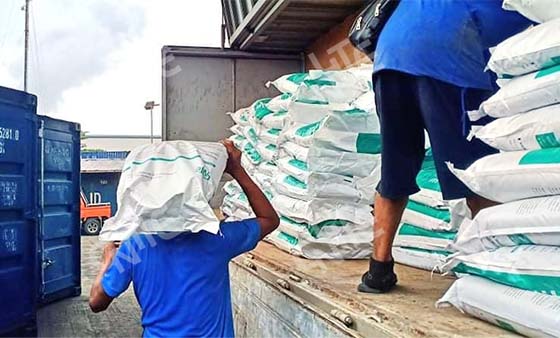
Gold extraction isn't magic. It's chemistry. Whether you're running a small mine in the Philippines or testing samples in a lab, you need the right chemicals. Here's what works, what doesn't, and what it costs.
| Chemical | Purpose | When to Use It | Cost Level | Safety Notes |
|---|---|---|---|---|
| Sodium Cyanide (NaCN) | Dissolves gold through complexation | High-grade ore, established operations | Low | Extreme toxicity, strict transport/storage rules |
| Sodium Metabisulfite | Precipitates gold from solution | After cyanide leaching | Very low | Irritant, but manageable |
| Zinc Dust | Cementation (replaces gold in solution) | Merrill-Crowe recovery process | Low | Flammable dust |
| Activated Carbon | Adsorbs gold from dilute solution | CIP/CIL circuits | Medium | Dust mask required |
| Nitric Acid | Dissolves base metals (refining) | Final gold purification | Low | Corrosive fumes |
| Aqua Regia (HNO₃+HCl) | Dissolves gold for assay | Testing, small-scale recovery | Low | Generates chlorine gas |
| Borax | Flux for smelting | Final gold melting | Very low | Minimal hazards |
Let's be direct. Cyanide works best for most gold ores. It's cheap, fast, and well-understood. But it's also deadly in small amounts and heavily regulated in many countries.
| Factor | Cyanide | Thiourea | Thiosulfate | Halide (Chlorine/Bromine) |
|---|---|---|---|---|
| Gold recovery rate | 90-95% | 85-92% | 80-90% | 85-95% |
| Leaching speed | Hours | Hours | Days | Minutes to hours |
| Cost per kg | $2-4 | $15-25 | $10-20 | $8-15 |
| Toxicity | High | Moderate | Low | Moderate |
| Regulatory burden | Heavy | Light | Light | Moderate |
| Best for | Large operations | Small scale, strict regs | Copper-rich ores | Refractory ores |
Bottom line: If you're in a jurisdiction that allows cyanide and you have the safety infrastructure, use it. If not, thiourea or thiosulfate are your practical alternatives—not because they're better, but because they keep you out of jail and alive.
Everyone focuses on the "hero" chemical that dissolves gold. But extraction fails without these supporting players:
| Stage | Chemical | Why You Can't Skip It |
|---|---|---|
| pH control | Lime (CaO) or Caustic Soda (NaOH) | Cyanide only works above pH 10.5; thiosulfate needs 9-10 |
| Oxygen supply | Hydrogen peroxide or compressed air | Gold won't dissolve without oxidation |
| Clarification | Flocculants (polyacrylamide) | Mud ruins carbon or zinc recovery |
| Tailings treatment | Ferrous sulfate (FeSO₄) or H₂O₂ | Destroys residual cyanide before discharge |
| Security | Lead nitrate (optional) | Speeds up gold dissolution, but toxic |
Use this flow to choose your chemical setup:
| Item | Monthly Quantity | Unit Cost | Monthly Cost |
|---|---|---|---|
| Sodium cyanide | 50 kg | $3/kg | $150 |
| Lime (pH control) | 200 kg | $0.10/kg | $20 |
| Activated carbon | 20 kg | $4/kg | $80 |
| Caustic soda (regeneration) | 30 kg | $0.80/kg | $24 |
| Zinc dust | 2 kg | $8/kg | $16 |
| Nitric acid (refining) | 10 L | $2/L | $20 |
| Total chemicals | ~$310/month |
Add 30-50% for shipping, storage, and safety equipment. If you're using non-cyanide alternatives, multiply chemical costs by 3-5x.
| Mistake | Why It Hurts | The Fix |
|---|---|---|
| Using too strong cyanide | Dissolves unwanted minerals, wastes chemical | Start with 0.05% NaCN, titrate up |
| Ignoring pH | Cyanide turns to HCN gas below pH 9.5 | Test pH every 2 hours, add lime liberally |
| Skipping security screening | Copper, zinc steal your cyanide | Test ore first, adjust recipe |
| Poor carbon management | Gold stays in solution, carbon breaks | Bake carbon at 650°C between cycles |
| No tailings treatment | Fines, jail, or community conflict | Budget $0.50/ton for cyanide destruction |
Q: Can I use household chemicals to extract gold?
A: No. You need proper reagents. "Eco-friendly" home recipes using vinegar or salt don't work on real ore. They might clean gold-plated jewelry, but not extract from rock.
Q: What's the minimum viable chemicals list to start?
A: For testing: cyanide, lime, zinc, nitric acid. For production: add carbon, caustic soda, flocculant, and tailings treatment chemicals.
Q: How do I know if my ore needs pre-treatment?
A: Do a simple bottle roll test. If recovery is <80% after 24 hours with cyanide, your gold is locked in sulfides or carbon. Send samples for mineralogy.
Q: Are "green" gold extraction chemicals actually viable?
A: Some are. CNLITE and similar thiosulfate-based products work for specific ores, especially copper-gold. But they're not universal replacements. Test before committing.
Q: Where can I get training on safe chemical handling?
A: Most mining chemical suppliers offer basic safety training. For cyanide specifically, the International Cyanide Management Code (ICMC) has free online modules.
Chemical selection is site-specific. What works in Nevada fails in Ghana. CNLITE provides ore testing and customized chemical protocols—not just products, but the technical backup to use them right.
Contact our technical team today! No generic solutions. Just what your mine actually needs.
 008613641173523
 xhcnlite@ytxinhai.com
No. 188, Xinhai Street, high-tech Industrial Park, Fushan District, Yantai, Shandong, China.
Please leave your message here! We will send detail technical info and quotation to you!

 Online Service