
Mineral Processing Reagents

-
 E-mail
xhcnlite@ytxinhai.com
E-mail
xhcnlite@ytxinhai.com
-
 Call Us
008613641173523
Call Us
008613641173523
E-mail
xhcnlite@ytxinhai.com
Call Us
008613641173523
2026-03-31 Views: 6
Warm Tip: If you want to know more information, like quotation, products, solutions, etc., please Click here ,and contact us online.
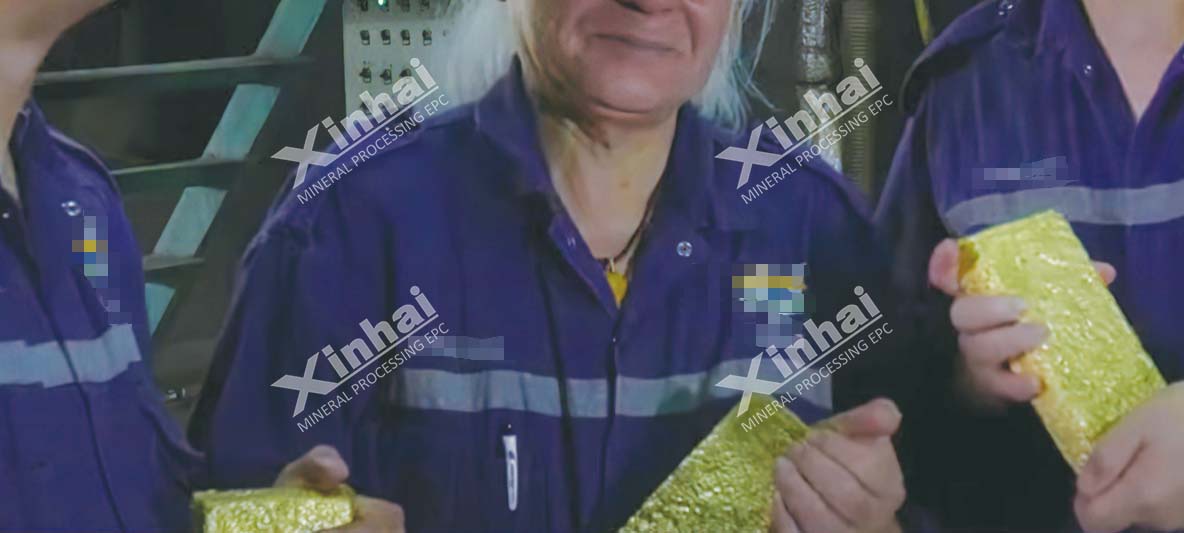
To extract gold today, it is not just about pouring chemicals on rocks anymore. No, it is a very tricky mix of hitting rocks and using science. Today, when a boss at a gold mine picks a gold extraction method, they cannot just look at how much metal they get. They also have to think about what is in the rock. Like, is there carbon in it? Is it stuck inside yellow fool's gold? The cost of following green laws is just huge these days. You really have to balance making money with keeping the trees alive.
Let's talk about gravity separation first. This way uses the simple fact that gold is way heavier than the trash rock around it. It cannot catch the super tiny bits of dust. But it is still the best first wall to put up. In a real gold mine I worked with last year, they used spinning machines called centrifugal concentrators and shaking tables. They managed to catch 30% to 50% of the big chunky gold before the rocks even touched any chemicals. This is great because it saves a ton of money on buying liquid chemicals later. Honestly, ignoring this step is just throwing cash away.
Sometimes, gold is locked up tight inside rocks like pyrite. When that happens, just putting chemicals on it does not work well at all. This is where flotation comes in to save the day at your gold plant. It uses special soap-like things to change how the rock skin feels. This makes the gold-heavy rocks stick to bubbles and float to the top like a big foam bath. The secret to making this a winning gold extraction method is being super careful. You need to make sure you only grab the good stuff and leave the bad stuff behind. If you mess this up, you get a bunch of useless dirt in your final mix.
.png "1 (1).png")
To make it easy for you to see the good and bad points, I made this simple table. It is based on real numbers from working mines.
| Process Name | Suitable Ore Type | Gold Recovery Rate | Cost Level | Environmental Pressure |
| CIL / Eco-Friendly Leaching | Oxide/Free-milling ore | 90% - 98% | Medium | High / Low (Reagent dependent) |
| Flotation + Concentrate Treatment | Sulfide / Refractory ore | 85% - 92% | High | Medium |
| Gravity Separation | Placer / Coarse primary gold | 40% - 70% | Very Low | Minimal |
| Heap Leaching | Low-grade oxide / Tailings | 65% - 85% | Low | High / Low (Reagent dependent) |
Around the world, governments are making super strict laws against using poison like sodium cyanide (NaCN). It is getting really scary for gold mine owners because of lawsuits. Because of this, the smart way to extract gold has moved toward safe, green chemicals. These new things are made to work just as fast as the old poison. The best part? You can dump them right into your old tanks without buying new gear. And guess what? They cut the cost of cleaning up the waste by more than 60%. That is a massive saving for any business.
Let's look at a weird problem. Some rocks have natural black carbon in them. When the gold dissolves in the liquid, this bad carbon grabs it back! We call this "preg-robbing" in the business. It is like a thief stealing your gold right inside the tank. To beat this, a gold processing plant will use a system called Carbon-in-Leach (CIL). We add active black coal bits right when the gold is dissolving. The gold jumps onto our good coal before the bad rock carbon can steal it. It works like magic!
If you do not have much cash, gravity separation and heap leaching cost the least to start. Gravity just needs simple machines. Heap leaching lets you skip the super expensive big grinders and giant stirring tanks. It is great for small operations that are just starting up.
The big trick here is doing some work before you wash the rocks. If the rock is really stubborn, you might need to use bugs to eat the rock or use high heat and pressure. This "unlocks" the gold so you can wash it out later.
Yes, they absolutely can. The green chemicals we have now give the same high results for oxide rocks. Plus, they are way safer for workers and you do not have to spend a fortune cleaning up the dirt after you are done. It is a win-win, really.
Yes, a lot! Hard rock means you burn a lot of electricity trying to crush it and grind it down. If your rock is super hard, you might want to look at a gold extraction method like heap leaching. It does not need you to grind the rock into tiny flour. So it can save you a lot of money on power bills.
Picking the right way to run your gold processing plant is not just a geeky science choice.
It is about whether you make money or lose your shirt.
Here at Cnlite, we want to give you real answers.
We do everything from small lab tests to helping you build a giant gold plant!
Our team of experts is ready to give you customized services based on what your exact rock looks like.
So, if you want a cleaner, cheaper, and better way to extract gold, just drop us a line today. We would love to chat!
 008613641173523
 xhcnlite@ytxinhai.com
No. 188, Xinhai Street, high-tech Industrial Park, Fushan District, Yantai, Shandong, China.
Please leave your message here! We will send detail technical info and quotation to you!

 Home
Home Online Service